HA7 Task 4. Mesh Construction
Polygonal Modelling
A polygon mesh is a collection of vertices, edges and faces that defines the shape of a polyhedral object in 3D computer graphics and solid modeling. The faces usually consist of triangles, quadrilaterals or other simple convex polygons.

Although it is possible to construct a mesh by manually specifying vertices and faces, it is much more common to build meshes using a variety of tools and techniques. A wide variety of 3d graphics software packages are available for use in constructing polygon meshes.
Primitive Modelling
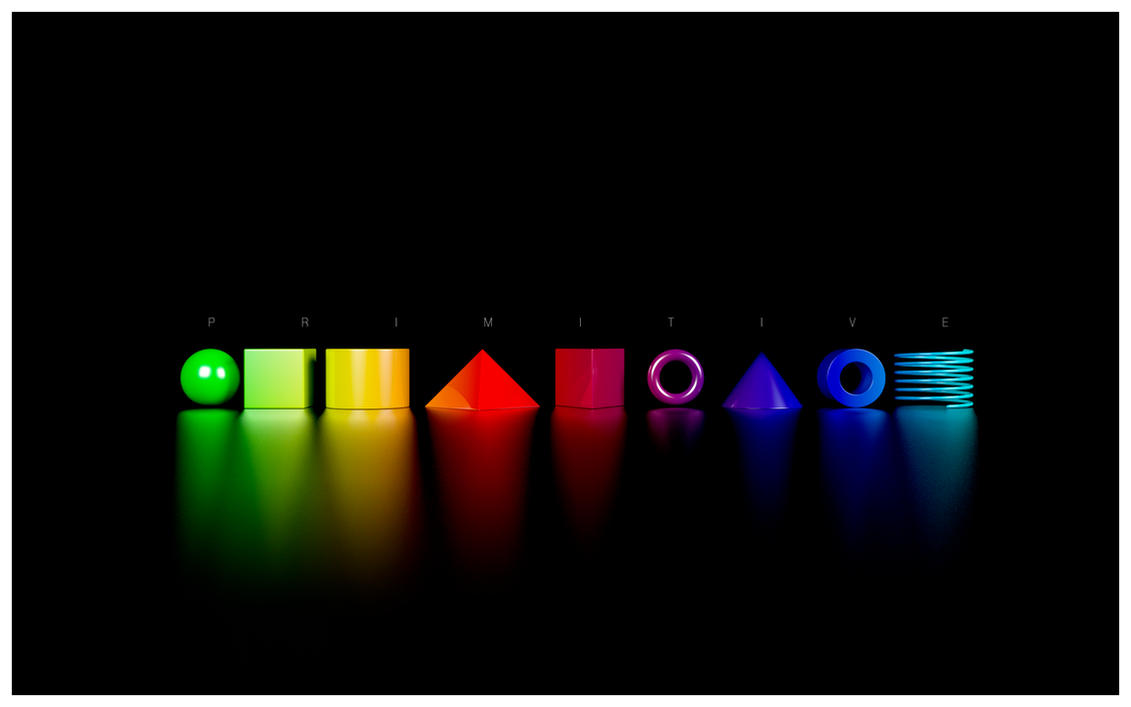
A common method of creating a polygonal mesh is by connecting together various primitives, which are predefined polygonal meshes created by the modelling environment. Common primitives include:
Cuboids
Cubes
Pyramids
Cylinders
Spheres
2D primitives, such as quadrilaterals, triangles, and disks
.jpg)


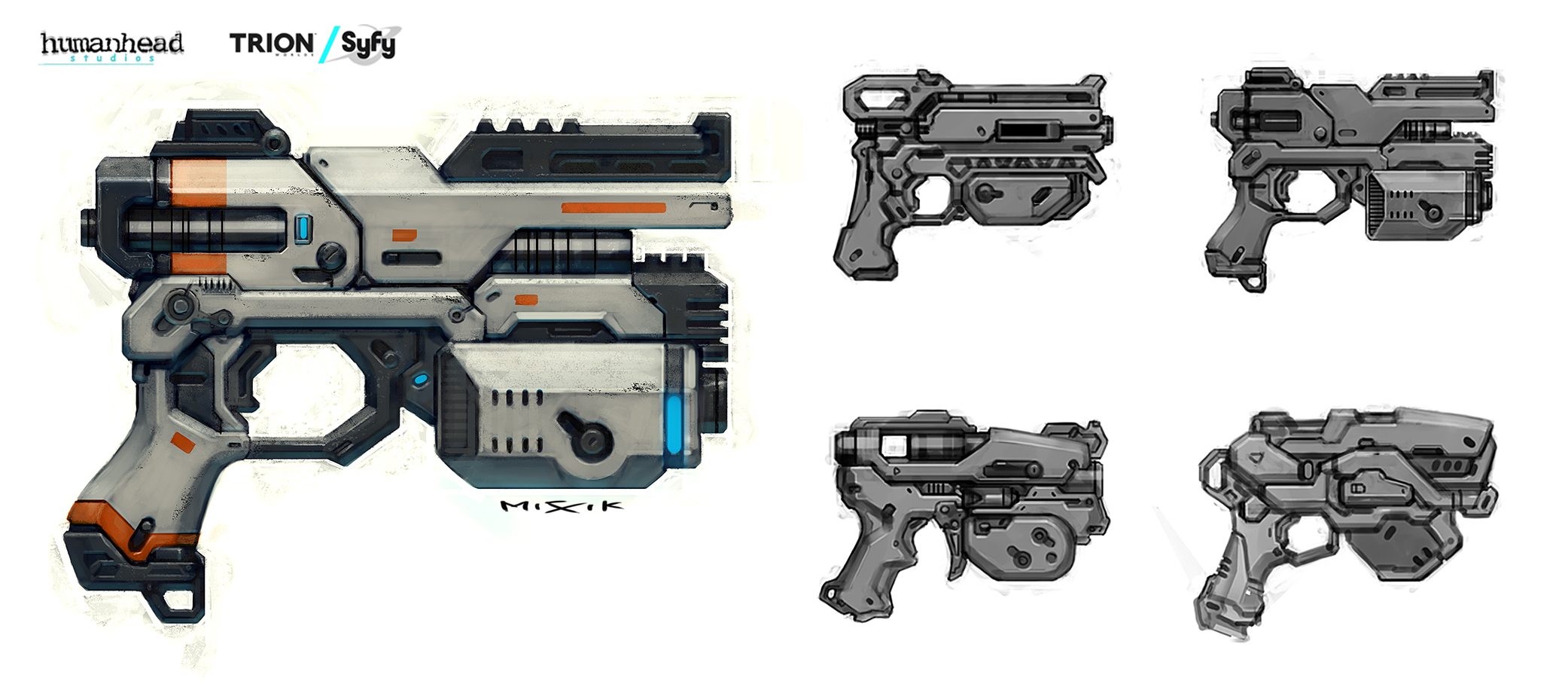
In this images above, the whole model has been made through first constructing primitives and layering them together,this is the process of "primitive" modelling and it can produce high quality, symmetrical, detailed models.
Box Modelling
One of the more popular methods of constructing meshes is box modelling, which uses two simple tools:
1. The subdivide tool splits faces and edges into smaller pieces by adding new vertices. For example, a square would be subdivided by adding one vertex in the center and one on each edge, creating four smaller squares.
2. The extrude tool is applied to a face. It creates a new face of the same size and shape which is connected to each of the existing edges by a face. Thus, performing the extrude operation on a square face would create a cube connected to the surface at the location of the face.


Extrusion Modelling
A second common modelling method is sometimes referred to as inflation modeling or extrusion modelling. In this method, the user creates a 2d shape which traces the outline of an object from a photograph or a drawing. The user then uses a second image of the subject from a different angle and extrudes the 2d shape into 3d, again following the shape’s outline. This method is especially common for creating faces and heads. In general, the artist will model half of the head and then duplicate the vertices, invert their location relative to some plane (either x,y or z planes), and connect the two pieces together. This ensures that the model will be symmetrical and too the correct proportions.


Sketch Modelling
Finally, some specialized methods of constructing high or low detail meshes exist. Sketch based modeling is a user-friendly interface for constructing low-detail models quickly, the downside to sketch modelling is that the models will always be a low quality model due to sketching being a modeler equivalence of a rough draft.
3D Scanners
3d scanners can be used to create high detail meshes based on existing real-world objects in almost automatic way. These devices are very expensive, and are generally only used by researchers and industry professionals but can generate high accuracy sub-millimetric digital representations.

Sources


No comments:
Post a Comment